Tifton, GA
Tifton Garage Door Guide
Why Tifton Garage Door Springs Fail on Cold Mornings
Tifton homes built mostly between 1972 and 1993 carry original springs now aging into failure - and mild-climate cold snaps are what finally break them.
- Licensed & Insured
- Same-Area Service Calls
- Upfront Pricing
The Problem
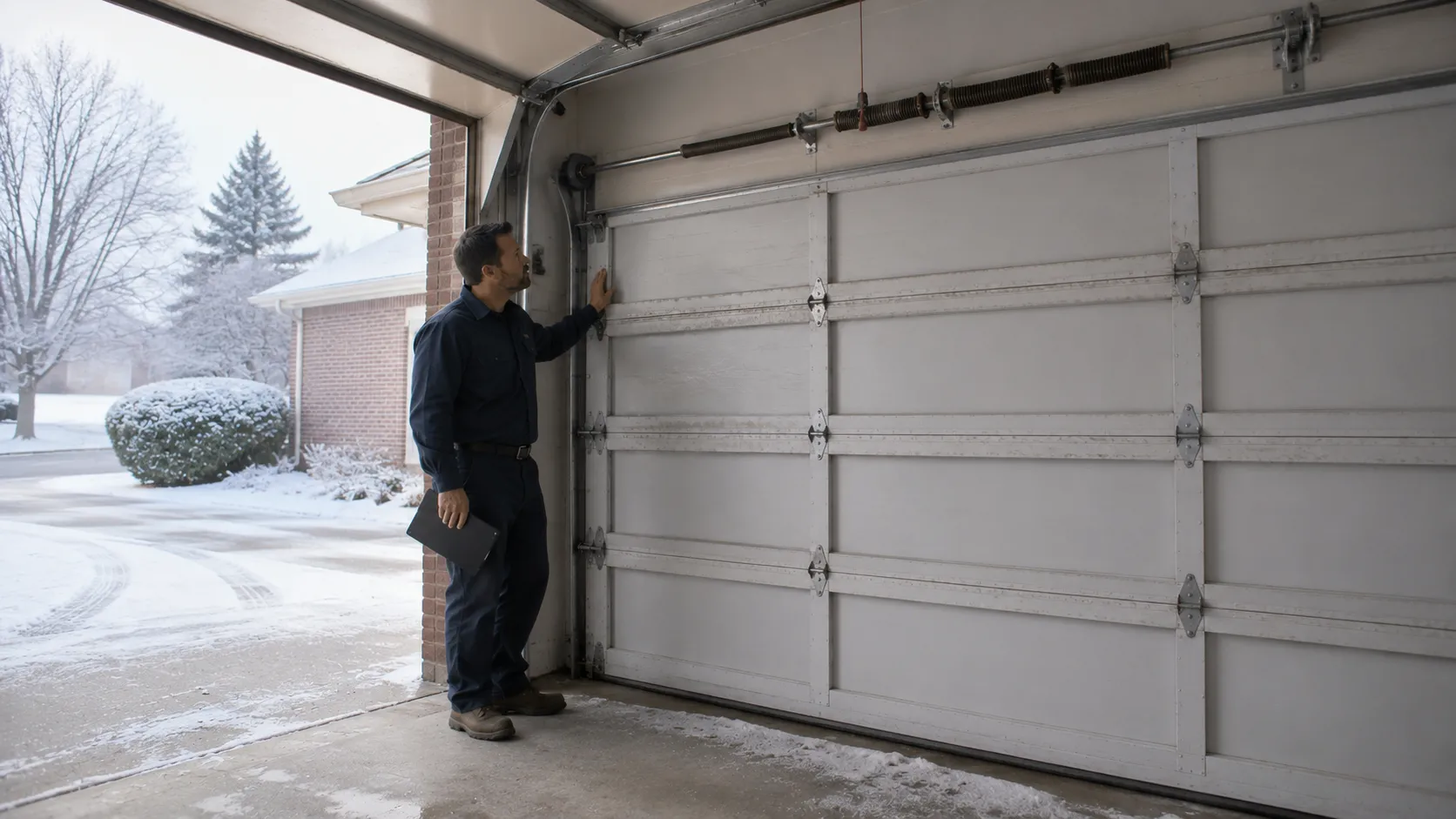
Most of the housing across this service area went up between 1972 and 1993, with the median build year sitting around 1980. That means a lot of torsion springs out there are the originals, or close to it - forty-plus years of daily cycling on steel that was never meant to last that long. A spring rated for a normal number of open-close cycles doesn't care how careful you are with it.
It just wears down, coil by coil, until one cold morning it lets go all at once. We see this pattern a lot: a door that worked fine the night before and won't budge, or slams down hard, the next day. It's not bad luck.
It's a 40-year-old spring meeting a cold snap it was already too tired to handle. The fix is almost never the opener, even though the opener usually gets blamed first, because that's the part making the noise when the door won't move.
Season by Season
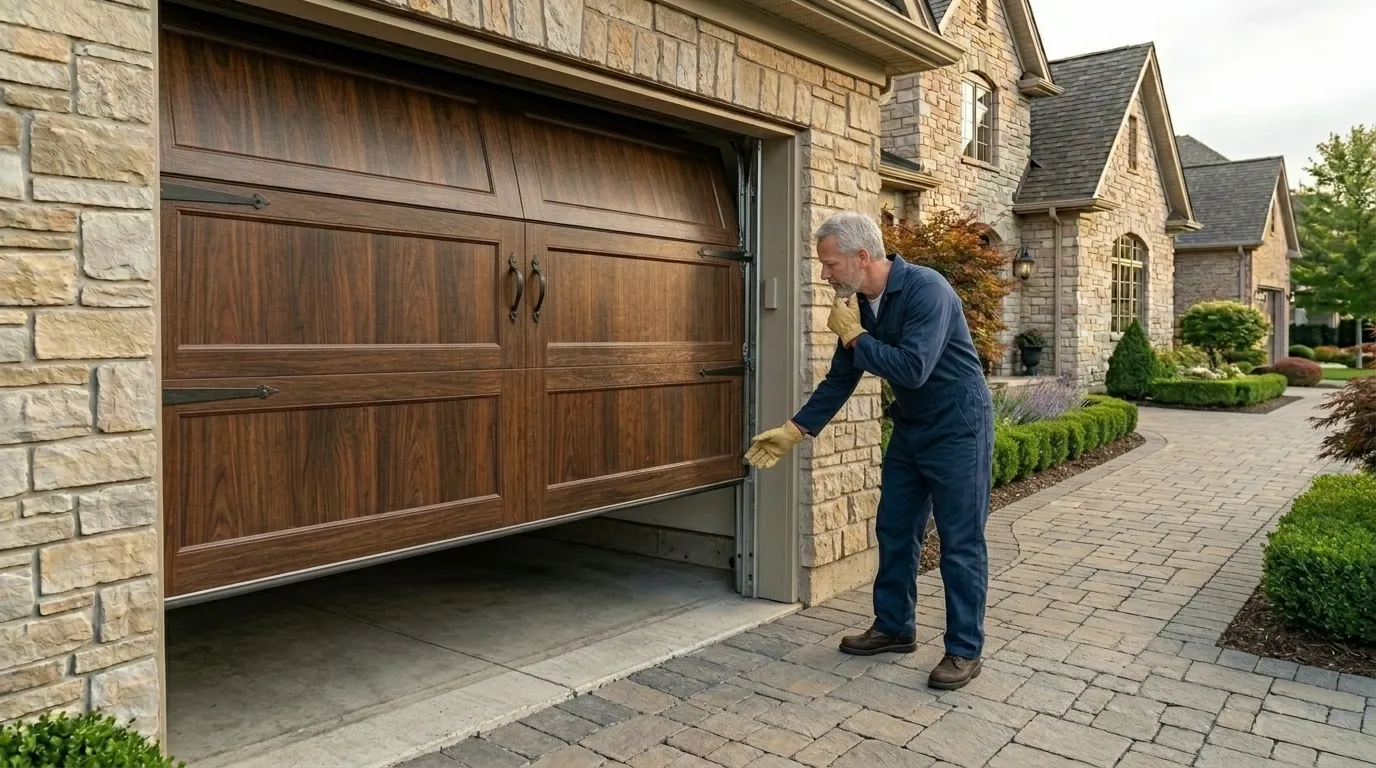
This area sits in a mild climate band with occasional freezes, not the hard winters you'd get further north, but that's actually part of the problem. A spring that's fatigued doesn't fail gradually here - it fails on the handful of mornings each year when the metal actually gets cold enough to contract and lose a little give. Summer is different.
Heat makes steel expand slightly and old springs feel looser, doors seem to balance fine, and homeowners forget anything was ever wrong. Then a cold front comes through, temperatures drop for a night or two, and that's when we get the call. Spring failures cluster around those short cold stretches, not because the cold itself is severe, but because it's the stress test a worn spring can no longer pass.
If your door has felt heavy to lift by hand on a chilly morning, that's the spring telling you it's close, not the opener.
How Local Conditions Play In
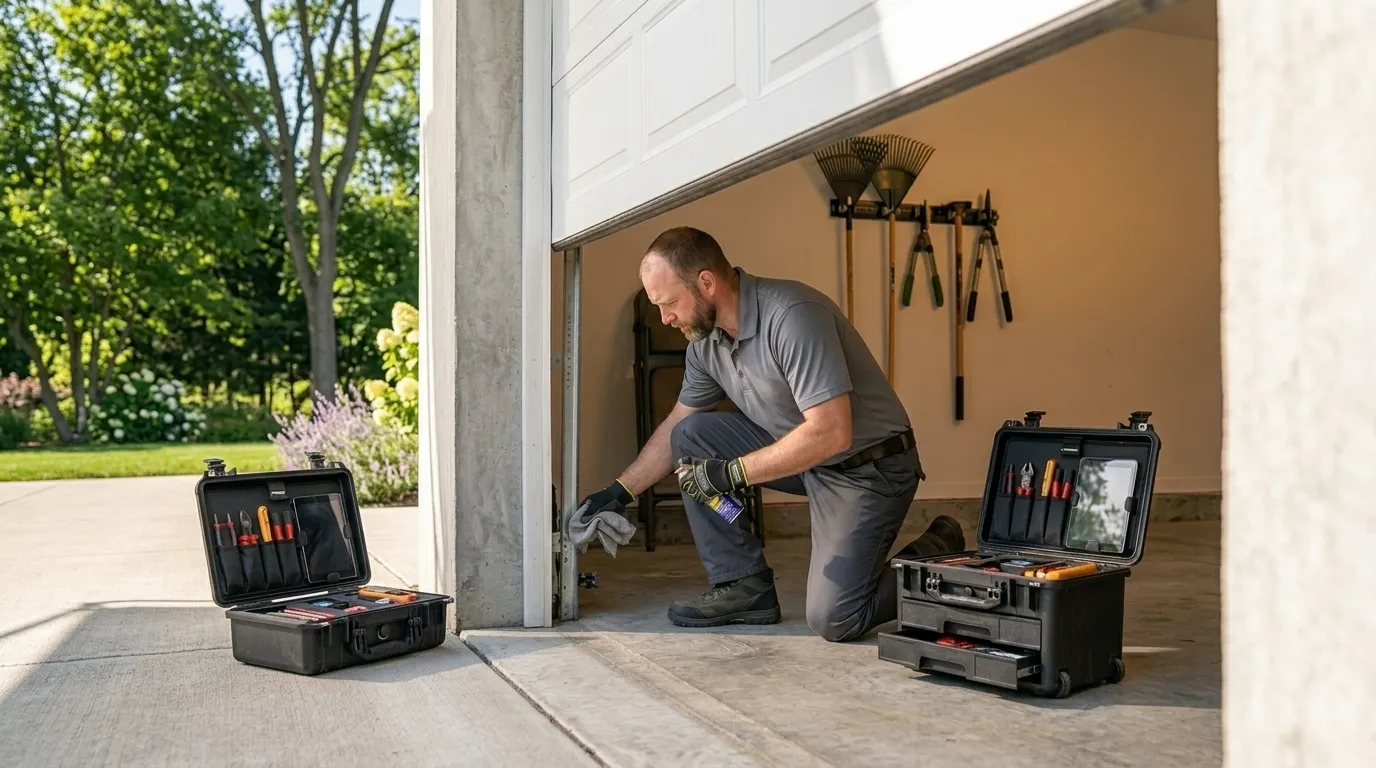
Put F1 and F3 together and you get a specific, local picture: a housing stock mostly built in the 1970s through early 1990s, sitting in a climate that swings mild most of the year but drops below freezing often enough to matter. Original torsion springs from that era were sized for the door weight and the hardware standards of the time - fine when new, but they don't get better with age, and nobody's replaced them on a schedule because nothing forced the issue. Add a cold morning and a spring that's already near the end of its cycle count, and you get the snap.
Across the roughly 6,762 households and 2,584 owner-occupied houses in this area, a good share of them are sitting on the exact same math: original hardware, decades of cycles, and a handful of cold mornings a year that finally find the weak link. This isn't a story about extreme weather. It's a story about old steel meeting ordinary cold.
What Most People Get Wrong
The biggest mistake is assuming a door that won't open needs a new opener. Nine times out of ten with a house this age, it needs a spring, and replacing the opener while leaving a worn spring in place just moves the failure point - the new opener will strain against the same bad balance and burn out faster than it should. The second mistake is waiting.
A spring that's starting to go gives warning signs: the door feels heavier than it used to, it drifts down on its own, the opener strains audibly. Ignoring that until the spring snaps outright risks a cable jumping the drum or a door dropping hard enough to bend a track. With median household income here at $39,904, most owners would rather spend on a spring now than on a spring, a track, and a panel later.
One honest limitation: if a door has been neglected for years and the track or rollers are also shot, a spring swap alone won't fix it, and we'll tell you that instead of doing half a repair.
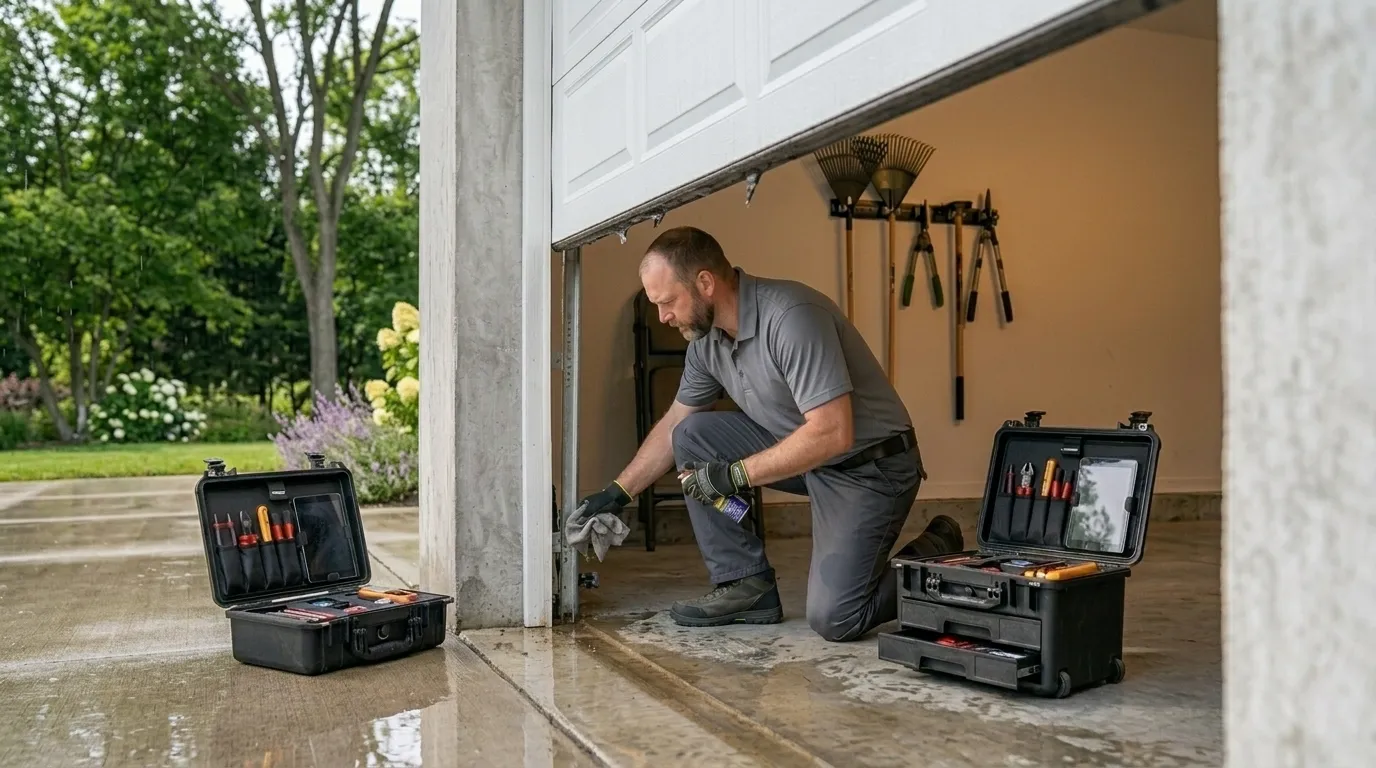
How We Can Help
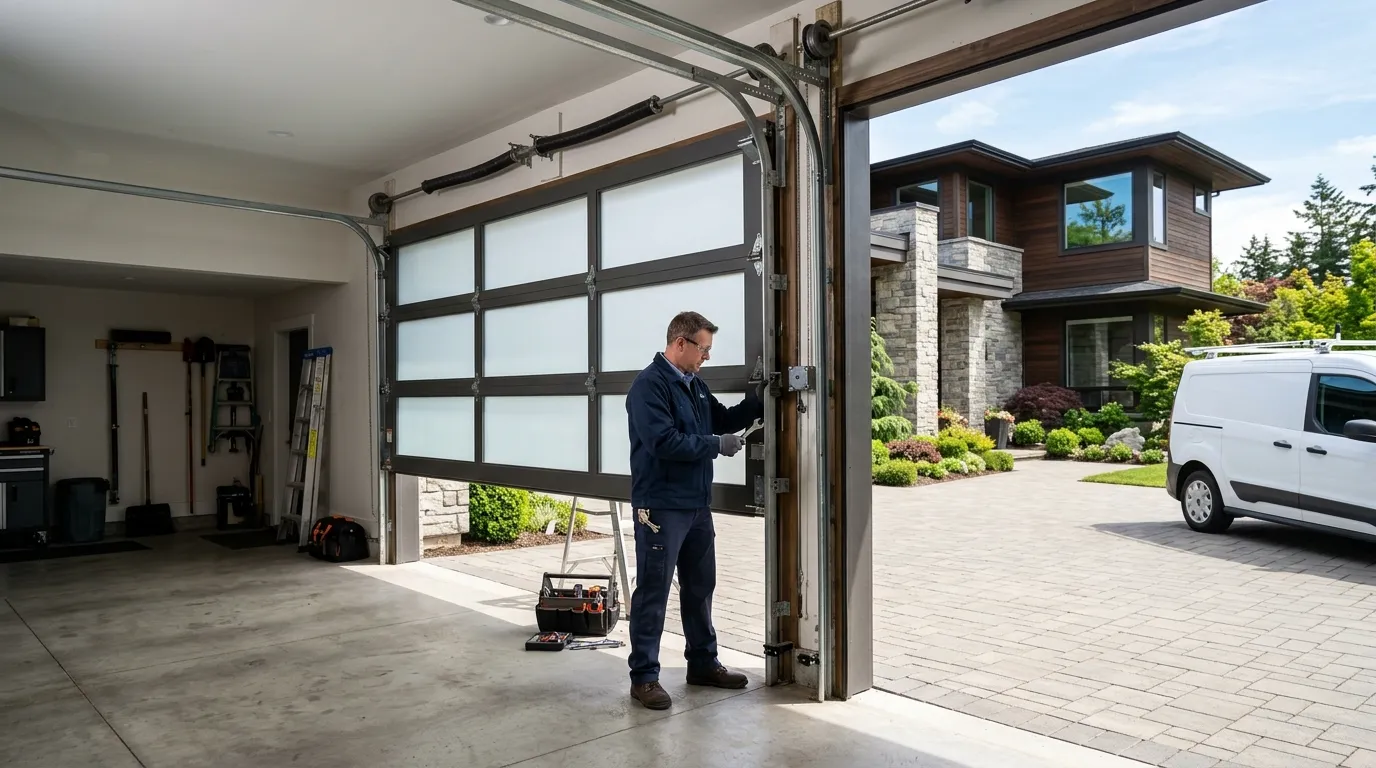
Garage Door Repair
Springs, cables, tracks, rollers, and openers fixed by a tech who explains the problem before touching anything.
Learn more →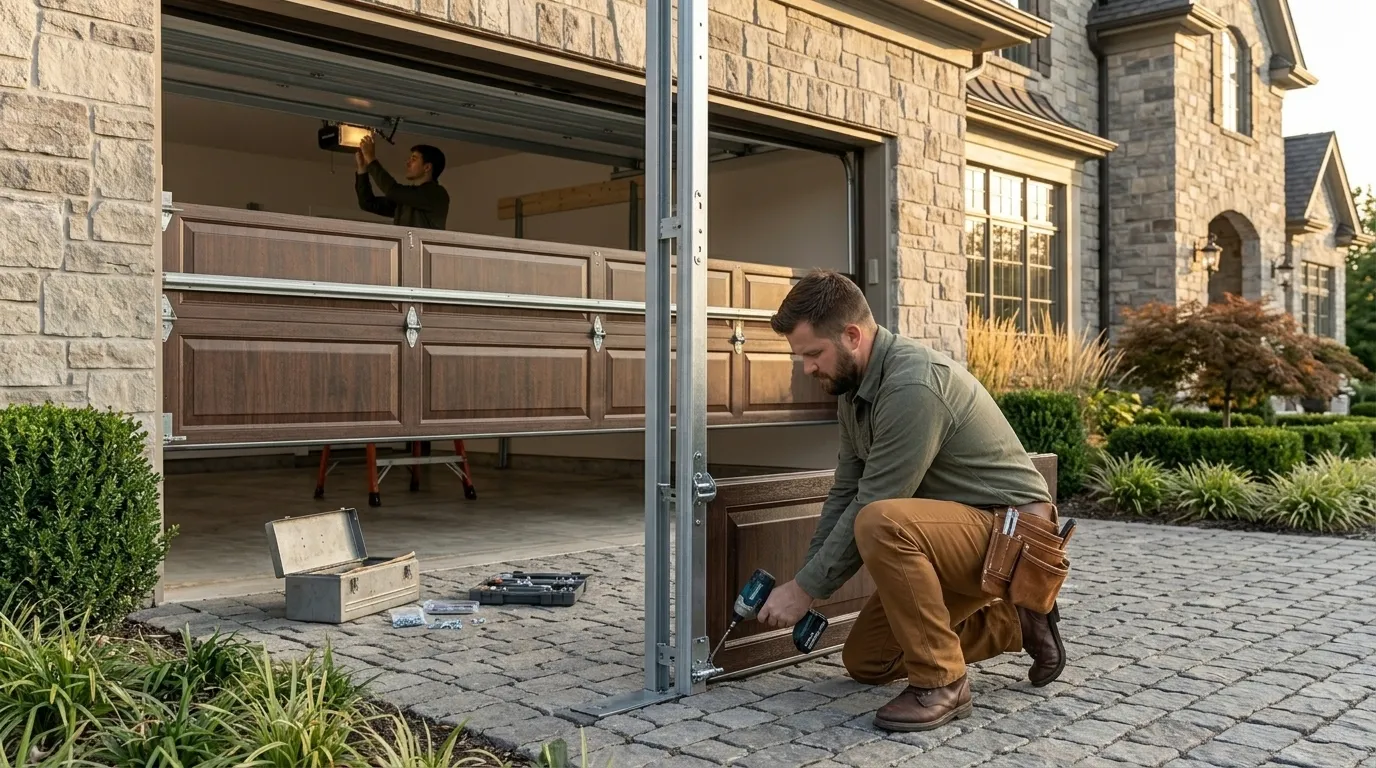
Garage Door Installation
New sectional doors sized and installed for the housing stock actually built in this area.
Learn more →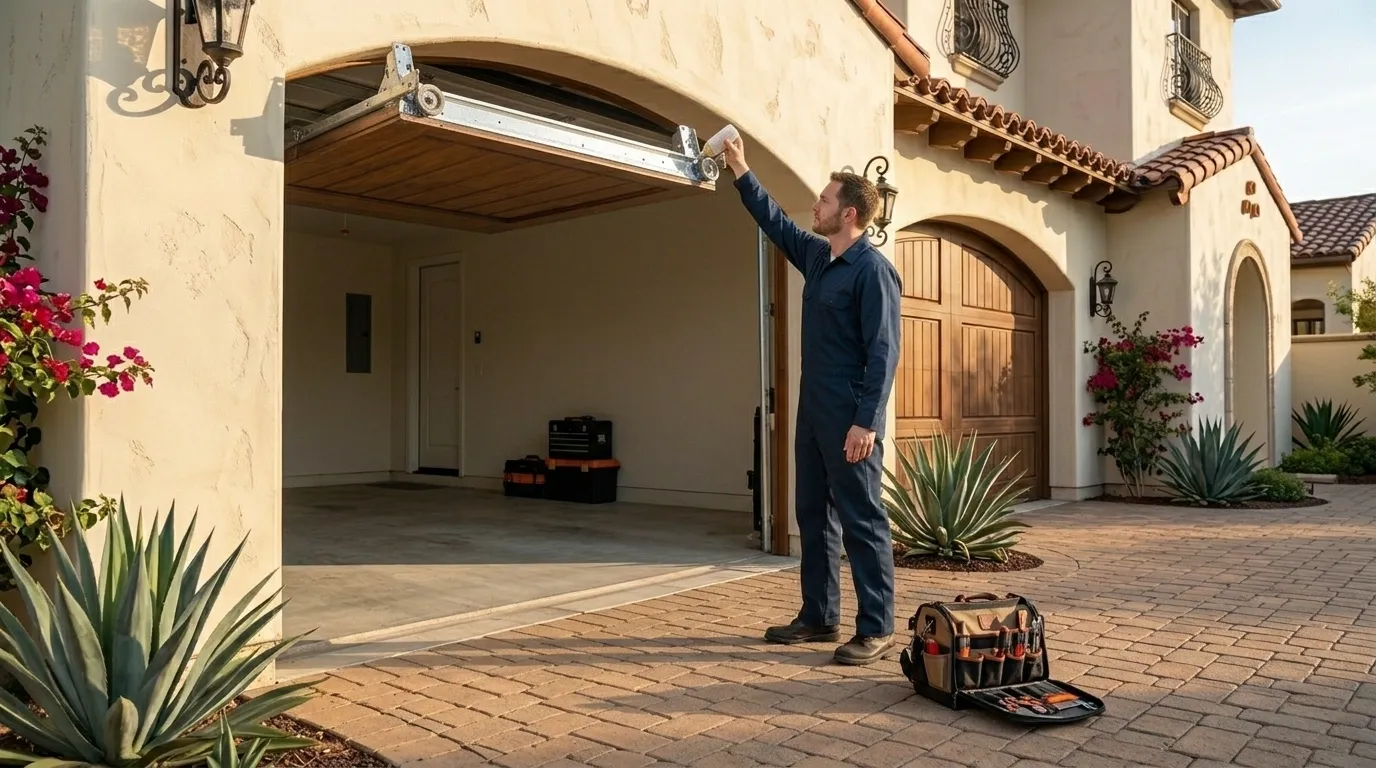
Garage Door Service
Tune-ups, lubrication, and safety checks that catch a small problem before it becomes a service call.
Learn more →Frequently Asked Questions
How do I know if it's the spring and not the opener?
If the door won't lift by hand, feels unusually heavy, or the opener strains and stalls without the door moving much, that points to the spring. Openers are built to assist a properly balanced door, not lift dead weight, so a struggling opener is often a symptom, not the cause.
Why does the spring always seem to break on a cold morning?
Cold metal has slightly less give, and a spring that's already fatigued from decades of cycling has no margin left. It's not the cold causing the failure by itself - it's the cold finding a spring that was already close to the end.
Do you cover areas outside Tifton itself?
Yes, we work across the wider service area, including out toward Omega, Enigma, Lenox, Norman Park, Ocilla, Ashburn, and Sylvester. The spring-age issue is the same everywhere in this radius, since most of the housing stock dates from the same period.
Is it worth replacing both springs if only one breaks?
On a door this old, usually yes - if one spring from the original install has failed, the other is on the same clock and close behind. We'll look at the specific door and tell you honestly if it's worth doing both at once.
Have a Door That Needs a Second Opinion?
Call and describe what it is doing - we will tell you what it likely is.