
Tifton, GA
Tifton Garage Door Guide
Is Your Old Garage Door Worth Fixing, or Is It Time to Replace
A look at when a 1970s-90s Tifton garage door is worth repairing versus replacing, based on the housing stock and climate common across this service area.
- Licensed & Insured
- Same-Area Service Calls
- Upfront Pricing
The Problem
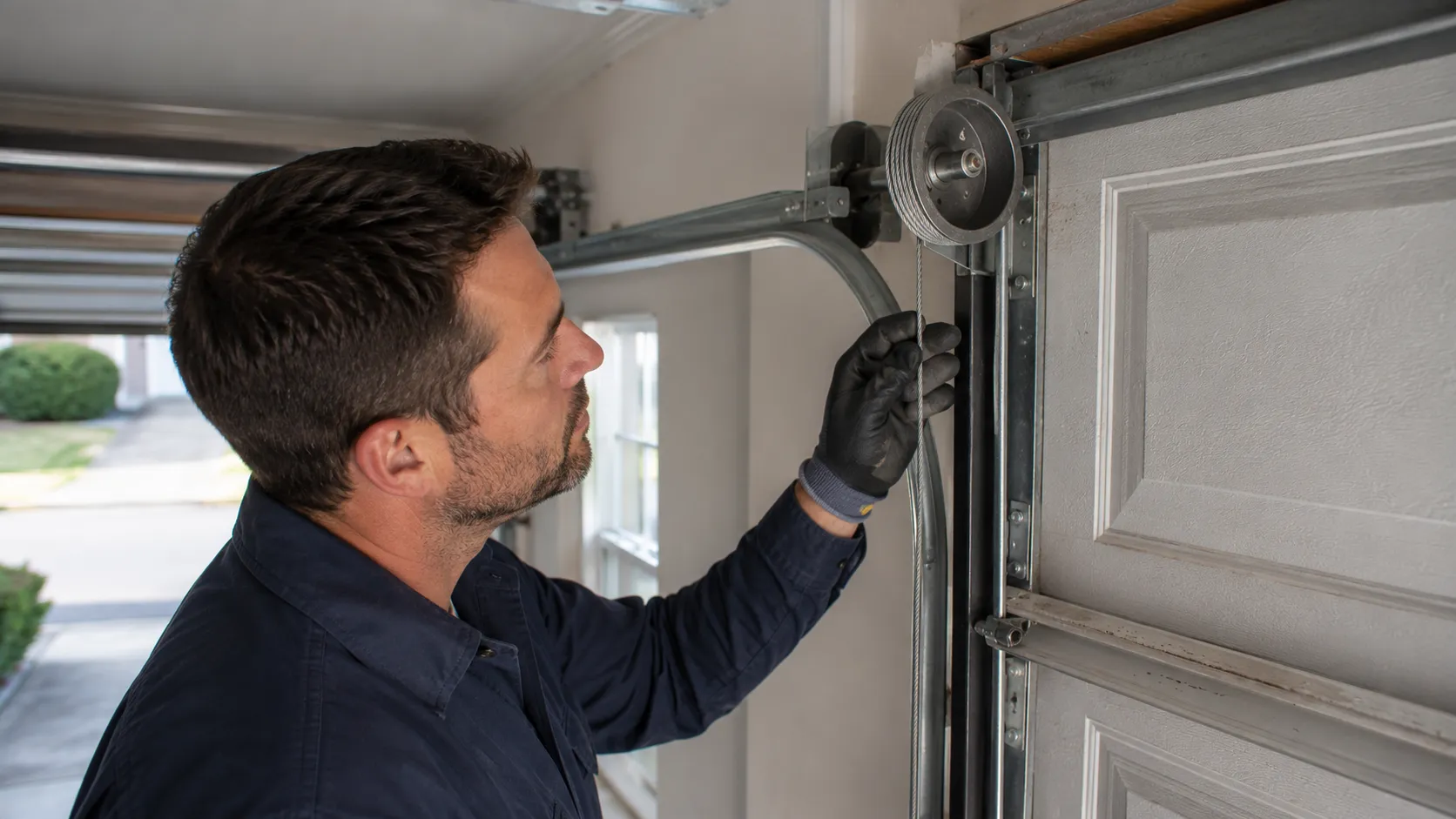
Most of the doors we get called on in this area went in when the house did, somewhere between 1972 and 1993. That puts the original hardware at 30 to 50 years old, and hardware that age doesn't fail all at once.
It fails one part at a time - the spring first, then a roller, then the opener that was never built to talk to a phone. Owners end up paying for four small repairs over three years instead of asking the bigger question up front: is the door itself still worth putting money into, or is the next repair a sign to stop.
We can't answer that with a blanket rule, because it depends on what's actually gone wrong and what the door is made of. A steel door from that era with a bent track is usually a cheap fix.
The same door with a rusted-through bottom panel and a dead opener is a different conversation. What we can tell you is that the age bracket itself - original 1970s to early-90s stock - is the reason this question comes up as often as it does here.
Season by Season
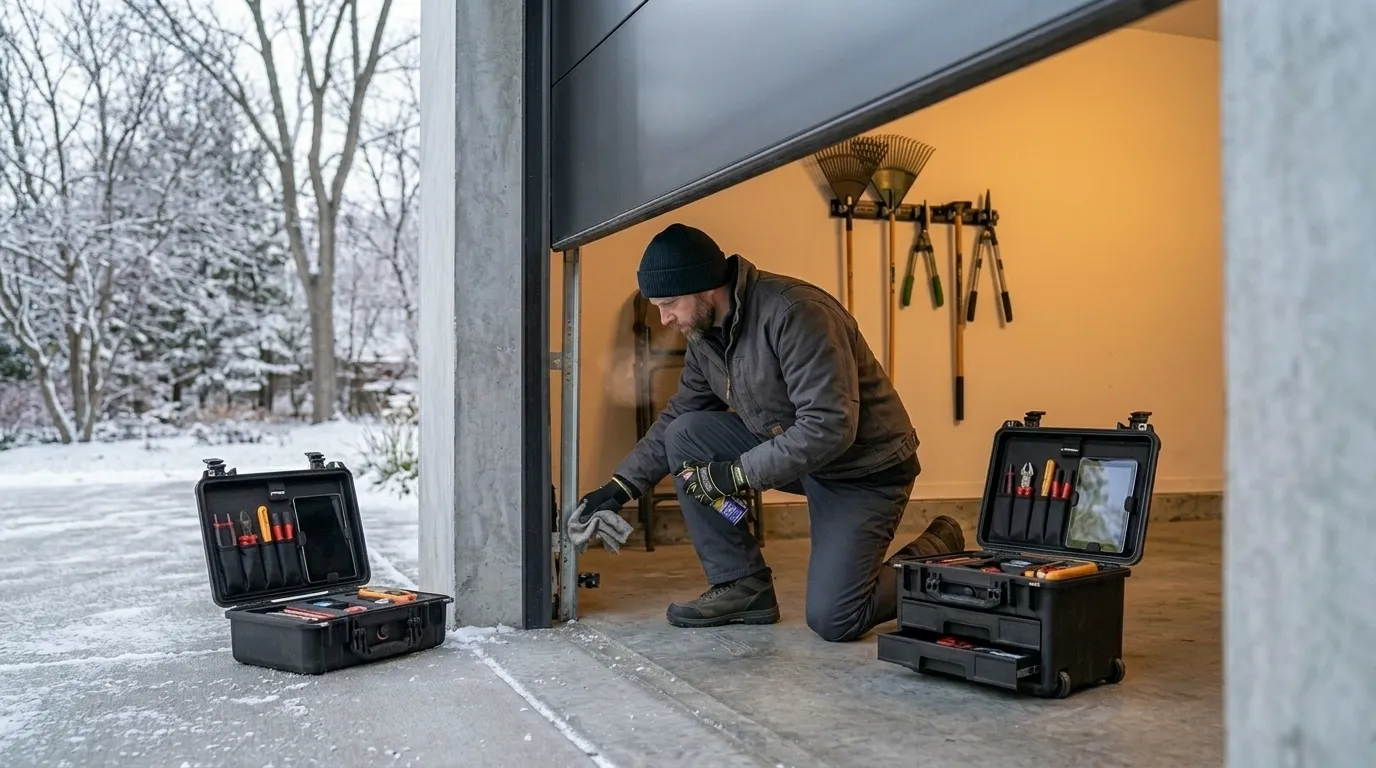
This part of Georgia sits in a mild climate band with only occasional freeze, so you're not dealing with the deep freeze-thaw cycles that crack panels and warp tracks in a single winter the way colder regions do. That's good news for an older door - it means the shell often outlasts the springs and cables, since it isn't being stressed by big temperature swings.
What does wear on these doors year-round is humidity and the swing between hot summer days and cooler nights, which is harder on lubrication and on wood-composite panels than it is on steel. If your door is original to a house built in the 1980s, expect the moving parts - springs, rollers, cables - to be well past their rated cycle count regardless of season, even if the panel itself still looks fine. That mismatch, sound door and worn hardware, is the most common repair call we see.
How Local Conditions Play In
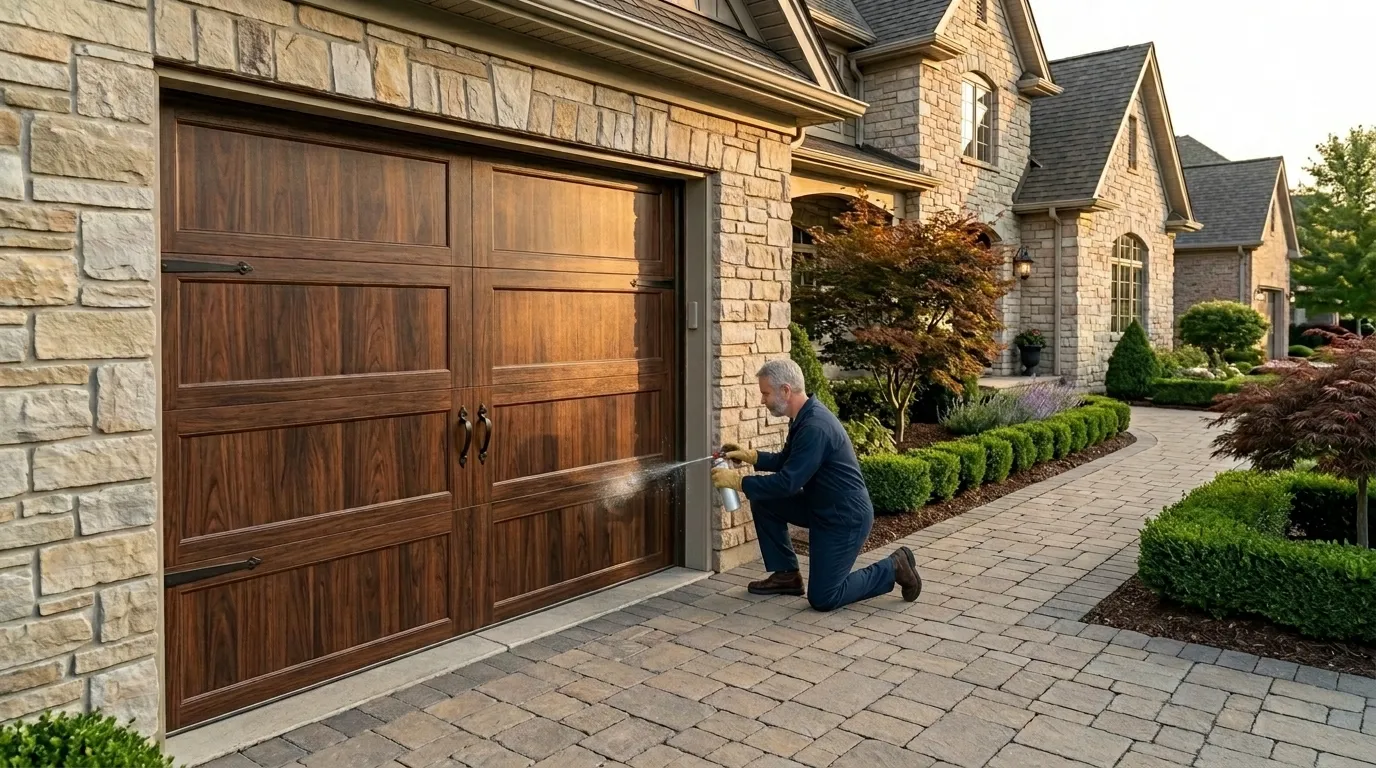
Across the seven areas we cover, the bulk of the housing is 1980s and 90s construction, which means most of the doors we're asked to look at share the same era of springs, the same track hardware, and often the same handful of builder-installed door models. That consistency actually helps with the repair-or-replace call: if we know a part from that generation is still available and holding up on similar doors nearby, we can tell you honestly that a repair will last.
We also run calls out to Omega, Enigma, and Lenox, all within about 10 to 14 miles, and the door age on those jobs tracks the same 1972-1993 build window as the rest of the service area. That's not a coincidence - it's the same wave of home building.
Where it matters for your decision is parts. Original hardware from that window is getting harder to source new, so a repair sometimes means a compatible replacement part rather than an exact match, and that's worth knowing before you commit to fixing versus replacing.
What Most People Get Wrong
The biggest mistake we see is treating the opener and the door as one decision. They're not. A dead opener on a structurally sound door - even one from the 1970s or 80s - is almost always worth replacing on its own; openers are a smaller, cheaper piece of the job than the door itself. The reverse mistake is patching a door with a badly rusted or delaminating panel because
How We Can Help
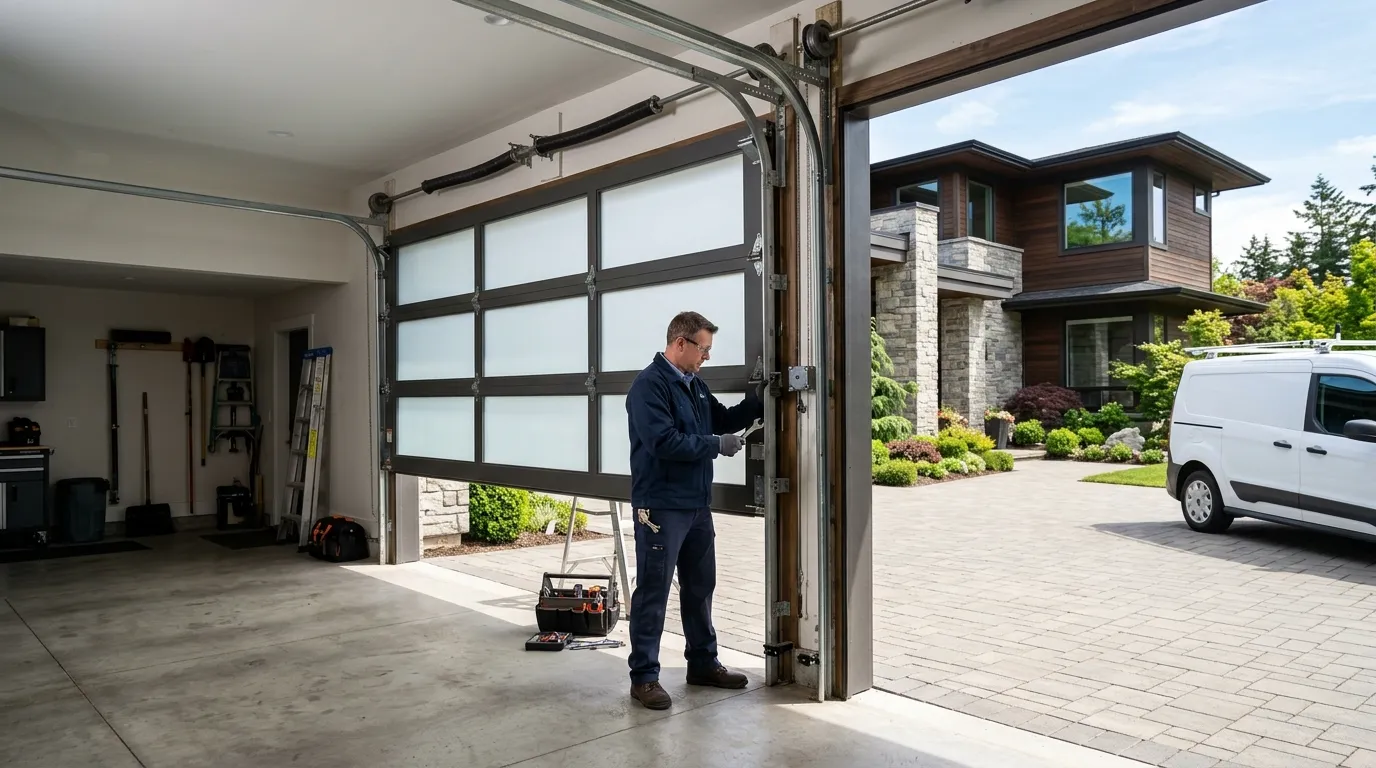
Garage Door Repair
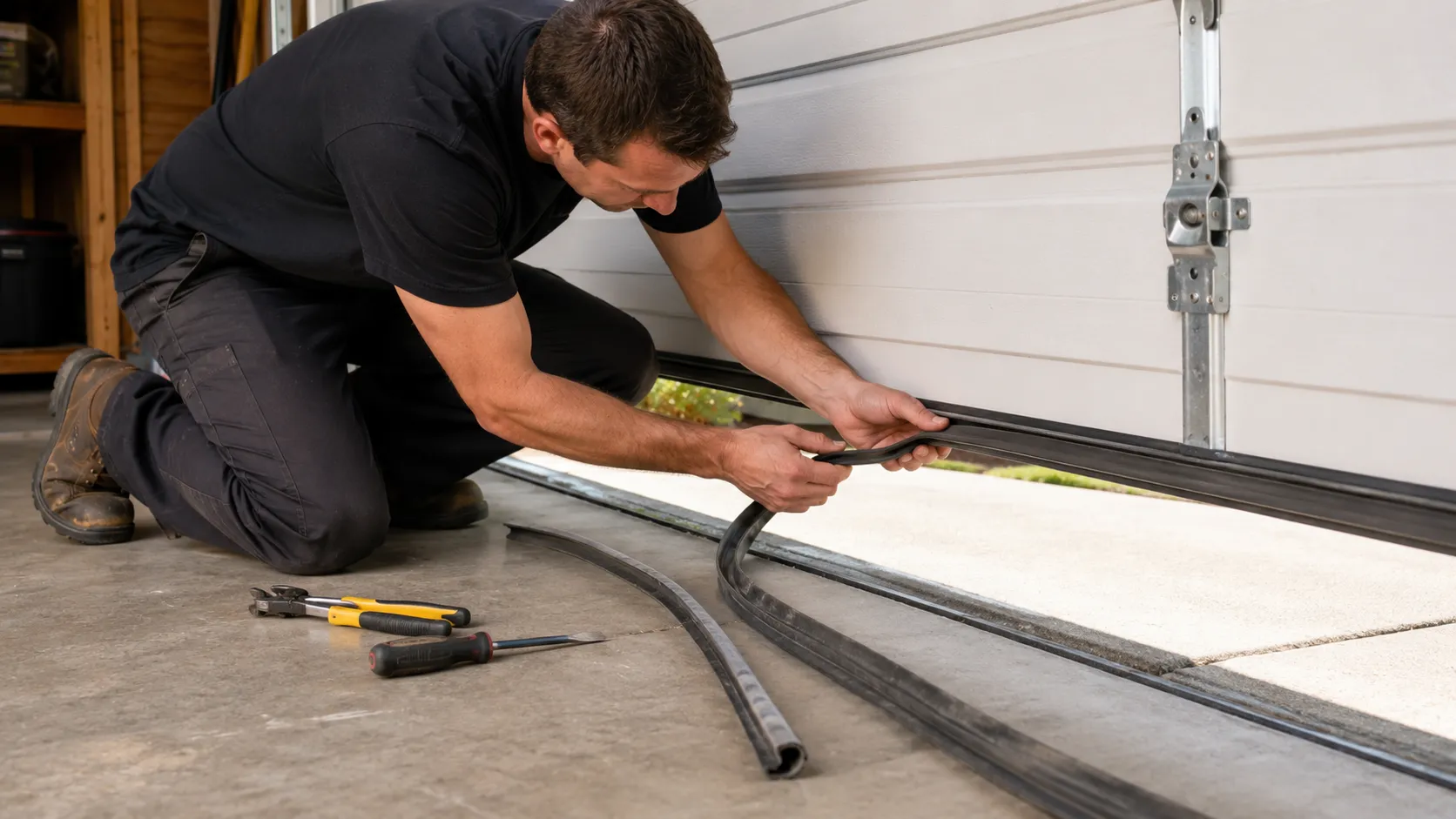
Springs, cables, tracks, rollers, and openers fixed by a tech who explains the problem before touching anything.
Learn more →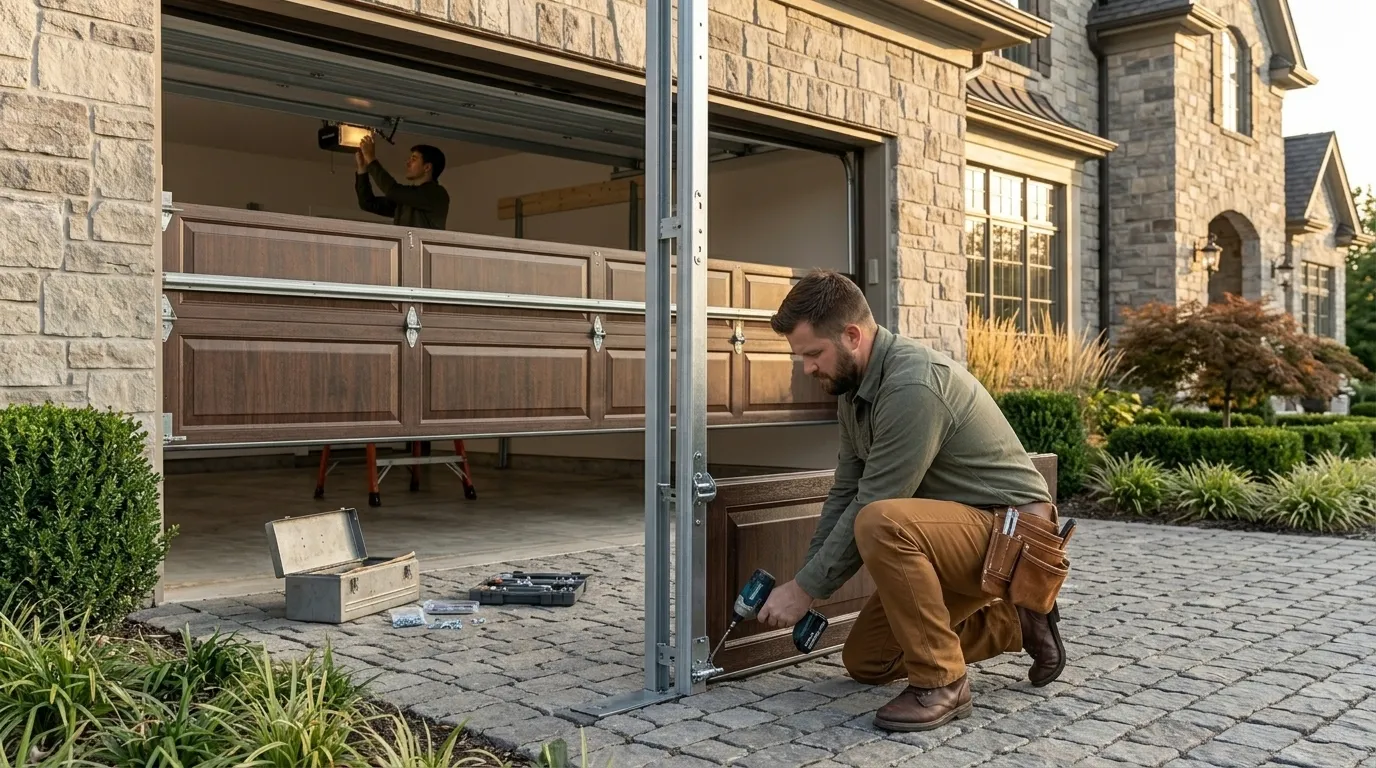
Garage Door Installation
New sectional doors sized and installed for the housing stock actually built in this area.
Learn more →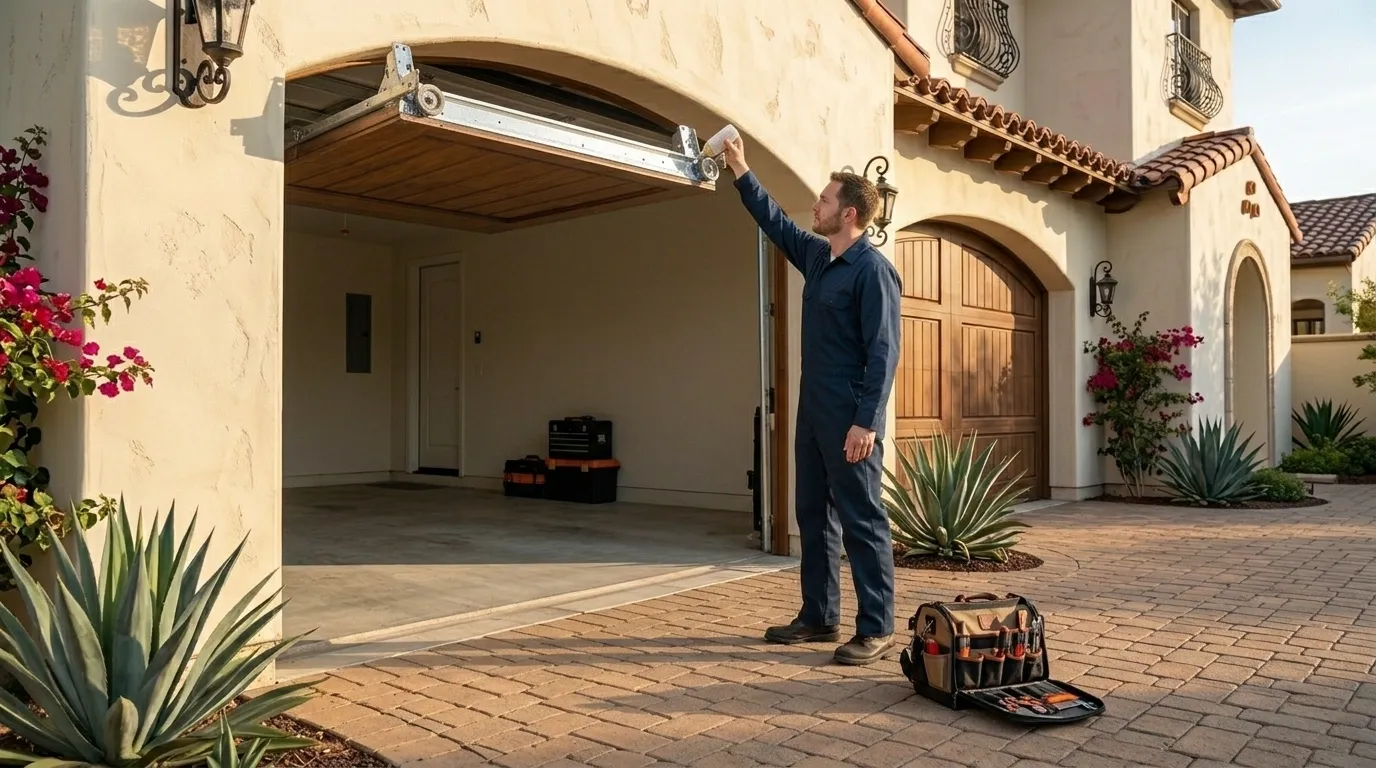
Garage Door Service
Tune-ups, lubrication, and safety checks that catch a small problem before it becomes a service call.
Learn more →Frequently Asked Questions
How do I know if my old garage door is worth repairing?
Look at the panel itself first, not the noise it makes. If the steel or wood is sound and it's the springs, cables, rollers, or opener giving trouble, repair almost always makes sense on doors from this area's 1972-1993 building era. If the panel is rusted through or delaminating, repair money is usually better spent toward a new door.
Are parts still available for a door from the 1980s?
Often yes, though not always as an exact factory match. A lot of the housing across this service area went up in the same 1980s-90s window, so we see the same handful of builder-installed door models regularly and usually have a compatible part on hand or close by.
Does Tifton's climate wear out garage doors faster?
Not in the way cold-climate towns see it. This area sits in a mild band with only occasional freeze, so panels and tracks aren't being cracked by hard freeze-thaw cycles. The bigger factor here is age and cycle count on moving parts, not weather damage to the door itself.
Have a Door That Needs a Second Opinion?
Call and describe what it is doing - we will tell you what it likely is.